Category: Blog

Your blog category

  • Coastal Tourism and Beaches in Southern Italy

    Coastal Tourism and Beaches in Southern Italy

    In 2026, coastal tourism in Southern Italy is undergoing a significant strategic shift. Travelers are moving away from the “umbrella-to-umbrella” density of the major hubs and toward “The Silent Shore”—protected reserves and authentic maritime villages that offer space, privacy, and ecological integrity.

    As of March 12, 2026, the southern waters are beginning to warm, and the region is bracing for a season defined by longer stays and a record-breaking surge in luxury and sustainable travel.


    🌊 1. The 2026 “It” Region: Puglia (The Salento Peninsula)

    Puglia has officially moved from a “hidden gem” to a primary global destination in 2026. Often called the “Maldives of Italy,” the Salento region is the benchmark for clear, shallow turquoise waters and white sand dunes.

    • Punta Prosciutto & Porto Cesareo: These remain the gold standard for families in 2026, offering vast expanses of sand and gentle entries into the Ionian Sea.
    • The “Cave of Poetry” (Grotta della Poesia): Located near Otranto, this natural swimming hole remains a bucket-list site. In 2026, authorities have implemented a “soft entry” cap to preserve the limestone and ensure the water stays pristine.
    • Otranto & Castro: For those who prefer rocky coves and deep-sea swimming, the Adriatic side of the peninsula offers high cliffs and hidden “swimming holes” accessible via historic stone stairs.

    🛶 2. The “Amalfi Alternative”: Calabria and Cilento

    To avoid the intense seasonal peaks of the Amalfi Coast, 2026 travelers are heading further south to the “Toe of the Boot.”

    • Tropea (The Pearl of Calabria): Rising from dramatic cliffs, Tropea’s beaches are famous for their luminous water. In 2026, the town is celebrating its status as one of the “Most Beautiful Villages in Italy” with enhanced pedestrian zones and a focus on “Blue Flag” water quality.
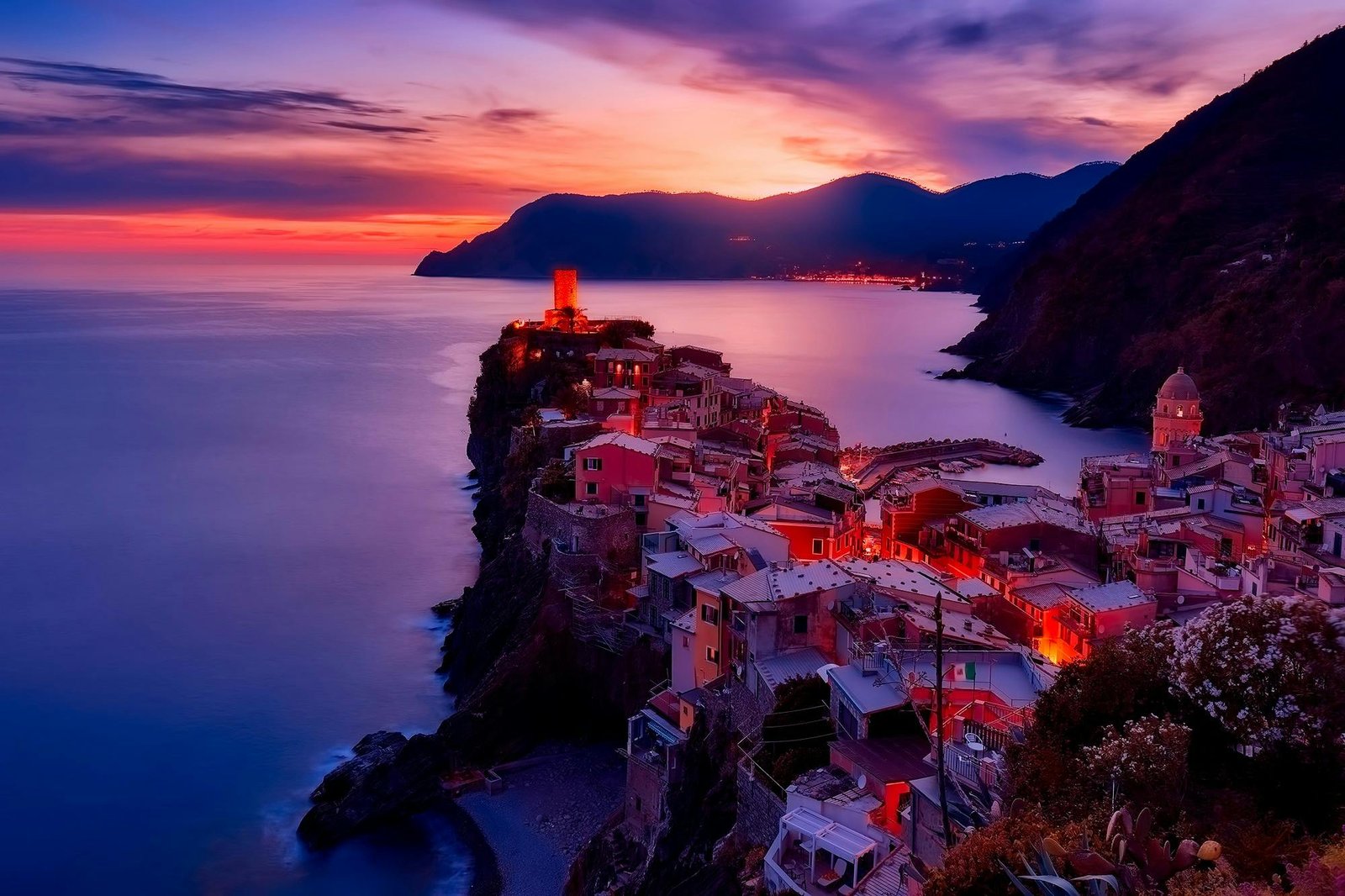
    • Scilla (The Little Venice of the South): Located on the Tyrrhenian coast, Scilla offers an authentic fishing-village atmosphere. The Chianalea district, where houses are built directly over the water, is a top 2026 destination for romantic, low-density travel.
    • Cilento National Park: Just south of the Amalfi Coast, this region offers vast, undeveloped beaches like Cala Bianca (voted one of Italy’s most beautiful) and a slower pace that feels like “the Italy of 40 years ago.”

    🏝️ 3. Sicily: The Rise of the Minor Islands

    In 2026, the primary trend in Sicily is “Island Hopping 2.0,” utilizing a new network of eco-ferries to reach the smaller archipelagos.

    • Favignana (Aegadian Islands): This butterfly-shaped island is the 2026 favorite for “Bicycle Tourism.” Its crystalline bays, like Cala Rossa, are best explored by e-bike or small boat.
    • Panarea (Aeolian Islands): Maintaining its status as the “chic” retreat for the elite, Panarea in 2026 emphasizes “silent luxury”—no cars are allowed, and the nightlife has shifted toward intimate sunset aperitifs in private villas.
    • Riserva dello Zingaro: Sicily’s first nature reserve offers a 7-kilometer coastal trek with access to seven secluded pebble coves. It is a prime example of the 2026 “Active Beach” trend.

    📊 2026 Southern Coastal Market Profile

    Feature2026 Trend / ShiftWhy it Matters
    Average Stay7.2 NightsA 6% increase from 2025; travelers are “nesting” in one region.
    SustainabilityBlue Flag DominancePuglia and Calabria have secured a record number of “Blue Flags” for water purity.
    TransportElectric Sea-ShuttlesReduced noise and emissions in protected marine areas like Porto Selvaggio.
    Must-Have“Smart Beach” AppUsed to check real-time umbrella availability and water temperature.

    🛡️ 4. Sustainable “Regenerative” Tourism

    2026 marks the first year of the “Posidonia Protection Act” across the Mediterranean.

    • Sea Grass Preservation: Many beaches in Sardinia and Puglia now feature “Sea Grass Education” signs. Rather than removing the Posidonia (which protects against beach erosion), resorts are educating guests on its vital role in the marine ecosystem.
    • Plastic-Free Coastlines: Nearly 85% of Southern Italian beach clubs (stabilimenti) have officially transitioned to 100% biodegradable or reusable materials in 2026.

    2026 Traveler Tip: The “Golden Window” for 2026 is September. The water temperatures in the South average a perfect 23–24°C, the crowds have thinned, and the “Access Fees” for many protected reserves are often waived or reduced.
  • Wine Tourism in the Tuscany Region

    Wine Tourism in the Tuscany Region

    Gemini said

    In 2026, wine tourism in Tuscany has shifted from simple “cellar door” visits to a comprehensive “Eno-Slow” philosophy. This trend prioritizes deep, educational stays over rapid sightseeing, with 2026 data showing a 24% increase in spending by travelers aged 35–45 who seek high-value, sustainable experiences.

    As of March 12, 2026, the region is currently in the middle of the “Tuscan Wine Previews” (Anteprime di Toscana), with the major BuyWine Toscana event having just concluded in Florence (March 11–12), connecting 190 producers with international enthusiasts.


    🍇 1. 2026 Trend: The Rise of “Ancestral” and Orange Wines

    Tuscany is leading a global 2026 trend by reviving ancient Georgian techniques. Progressive winemakers in Chianti and San Gimignano are increasingly producing Orange Wines (skin-contact whites) using traditional grapes like Trebbiano and Vernaccia.

    • The Experience: Many wineries now offer “Ancestral Education” tastings, comparing modern stainless-steel fermentation with ancient clay amphora methods.
    • Why now? Travelers in 2026 are seeking “living history” and wines that bridge the gap between white and red, offering more complexity for food pairings.

    📅 2. Key Wine Events & Festivals: 2026

    EventDateLocation2026 Highlight
    Chianti Ultra WineMar 19–22, 2026Radda in ChiantiIntensive tasting sessions in the heart of the Chianti Classico.
    Terre di ToscanaMar 22–23, 2026LuccaA major showcase of over 100 producers from across the region.
    Orcia Wine FestivalApr 23–26, 2026San QuiricoFocus on the scenic Val d’Orcia region and its local DOC wines.
    Cantine AperteMay 30–31, 2026Region-wideThe “Open Cellars” flagship event with vineyard picnics and concerts.
    Expo Chianti ClassicoSept 12–13, 2026Greve in ChiantiThe premier harvest-season event for the Black Rooster label.

    🌿 3. Sustainability: The “Organic Leadership”

    Tuscany has solidified its status as a global leader in sustainable viticulture in 2026.

    • Organic Dominance: 38% of Tuscany’s vineyard area (over 23,000 hectares) is now certified organic, accounting for 17% of all organic wine production in Italy.
    • Bio-Architecture: New “Eco-Cellars” like Podere di Pomaio (Arezzo) and Petra Winery (Suvereto) use geothermal systems and natural materials to minimize environmental impact while offering “landscape-integrated” tours.
    • Regenerative Stays: Luxury agriturismos like Fabbrica Di San Martino (Lucca) offer stays where guests can learn about biodynamic farming and “mindful drinking” in 250-year-old restored farmhouses.

  • Exploring Renaissance Heritage in Florence

    Exploring Renaissance Heritage in Florence

    In 2026, exploring the Renaissance heritage of Florence has evolved into a sophisticated blend of “Slow Travel” and high-tech immersion. Following the city’s 2025 initiative to decentralize tourism, the focus this year is on the “Greater Uffizi” model—connecting the famous gallery with hidden Medici villas and neighborhood workshops to provide a holistic view of the 15th-century “rebirth.”

    As of March 2026, Florence is experiencing a surge of interest due to the landmark Rothko in Florence exhibition, which creates a startling dialogue between modern abstraction and Renaissance architecture.


    🏛️ 1. The Iconic Pillars: Uffizi and Accademia

    The “Big Two” have implemented advanced 2026 management systems to ensure that the encounter with masterpieces remains intimate rather than crowded.

    • The Uffizi “Diffuso” (Spread): In 2026, the Uffizi is no longer just one building. Under this model, dozens of artworks previously kept in storage have been moved back to their “original homes” in smaller villas and churches across Tuscany. This allows visitors to see a Botticelli or a Lippi in the exact light and setting for which it was commissioned.
    • The Accademia’s “David” Experience: To protect Michelangelo’s David from the “vibrational stress” of millions of visitors, the Accademia now uses a specialized AI-monitored climate and floor system. The new lighting installed in late 2025 reveals the chisel marks on the marble with a clarity never before seen by the public.
    • Digital Timed-Entry: Gone are the days of three-hour lines. In 2026, all major Renaissance sites require a “Smart Pass” entry, which has reduced the average wait time at the Uffizi to less than 12 minutes.

    🎨 2. The 2026 Trend: “The Private Renaissance”

    Travelers are increasingly seeking the “Human Renaissance”—the private spaces where the Medici and their artists actually lived and worked.

    • The Vasari Corridor Reopening: After extensive restoration, the private raised walkway connecting the Palazzo Vecchio to the Pitti Palace is fully operational in 2026. It offers a literal “bird’s eye view” of the city, exactly as the Grand Dukes saw it.
    • The Medici Chapels & The “Secret Room”: Access to Michelangelo’s “Secret Room”—a small charcoal-sketched chamber where he hid from the Medici in 1530—is the most coveted ticket in Florence this year. Only small groups are allowed entry to preserve the delicate wall drawings.
    • Oltrarno Artisan Workshops: Across the Arno River, the “Handmade Renaissance” is thriving. Visitors in 2026 are flocking to gold-beating and leather-working shops that have been in the same families since the 1500s, many of which now offer “Heritage Masterclasses.”

    🗺️ 3. A 2026 Renaissance Itinerary: “The Medici Trail”

    For a deep dive into the 15th century, the 2026 “Gold Standard” route follows the rise of the city’s most famous dynasty:

    StopHistorical Significance2026 Highlight
    Palazzo Medici RiccardiThe “Cradle” of the Renaissance.The Gozzoli Chapel frescoes, newly cleaned for 2026.
    San Lorenzo BasilicaThe Medici’s private parish.The Laurentian Library’s Michelangelo-designed staircase.
    The Duomo (Santa Maria del Fiore)The architectural miracle of Brunelleschi.The “Dome Climb” now includes a high-fidelity AR headset.
    Palazzo PittiThe later seat of the Grand Dukes.The Boboli Gardens’ “Bio-Restoration” of 16th-century flora.

    🌟 4. The 2026 “Rothko Dialogue”

    The most significant cultural event in Florence this month (March 2026) is the Rothko at Palazzo Strozzi exhibition.

    • The Concept: Large-scale Rothko canvases are hung alongside Renaissance works to highlight shared themes of light, space, and human emotion.
    • Why it works: It forces the viewer to slow down, contrasting the “fast” digital world of 2026 with the timeless, contemplative nature of both Rothko and the Florentine masters.

    🛡️ 5. Sustainable Renaissance: “Firenze Prossima”

    To ensure the city’s heritage survives another 500 years, Florence has implemented strict 2026 “Decorum” laws:

    • Eco-Pedestrian Zones: Most of the historic center is now entirely car-free, with electric “micro-shuttles” providing access for those with limited mobility.
    • Zero-Impact Restoration: All ongoing restorations in the city (including the current work on the Baptistery doors) are now powered by 100% renewable energy from the Tuscan geothermal grid.

    2026 Local Insight: To experience the true “spirit” of the Renaissance, visit the Piazza della Signoria at dawn. Before the city wakes, the shadows of the statues in the Loggia dei Lanzi create a silent theater that feels exactly as it did in 1504.

  • The Role of Museums and Art Galleries in Italian Tourism

    The Role of Museums and Art Galleries in Italian Tourism

    In 2026, museums and art galleries are the primary reason for international travel to Italy, with cultural tourism accounting for over 55% of all visitor arrivals. Italy’s 4,000+ museums are no longer just repositories of the past; they have become dynamic “impact enterprises” that blend historical preservation with digital innovation to drive the national economy.

    As of March 2026, the sector is experiencing a surge in demand, fueled by the 2026 Winter Olympics cultural program and the ongoing Franciscan Jubilee.


    🏛️ 1. The Economic Engine of Culture

    In 2026, the Italian art tourism market is projected to generate over $1.1 billion in revenue, growing at a steady rate as museums shift from traditional subsidies to self-sustaining business models.

    • GDP Impact: The cultural industry contributes approximately 2.3% directly to Italy’s GDP, but its “induced” revenue—spending on hotels, restaurants, and transport by museum-goers—is estimated to be five times higher.
    • The “Multiplier Effect”: Major exhibitions, like the 2025 Caravaggio show or the 2026 Bernini exhibition in Rome, are proven to generate up to €30 million each in local economic activity.
    • Funding Revolution: Under the new “Cultural Capital Financing” framework, museums are increasingly using hybrid models that combine public funds with private impact investments to finance high-tech restorations and digital expansions.

    🎨 2. 2026 “Must-See” Exhibitions & Trends

    This year, the Italian museum landscape is defined by “Dialogue Exhibitions”—placing contemporary or international art in direct conversation with Renaissance masterpieces.

    • Rothko in Florence (Palazzo Strozzi): Running from March to August 2026, this landmark show places Mark Rothko’s abstract works inside the Renaissance architecture of Palazzo Strozzi and the San Marco Museum.
    • Bernini and the Barberini (Rome): Following the massive success of 2025’s events, Palazzo Barberini is hosting a definitive look at how Bernini shaped the Baroque identity of Rome.
    • The 61st Venice Biennale: Opening in May 2026 with the theme “In Minor Keys,” the Biennale is expected to draw record crowds, focusing on contemporary voices from the Global South and “soft power” in art.
    • Metaphysical Milan: A city-wide project for the 2026 Olympics, linking the Museo del Novecento and Palazzo Citterio in a celebration of De Chirico and the “heirs” of metaphysical art.

    📱 3. The Digital Transformation (2022–2026)

    March 2026 marks the final phase of Italy’s €500 million National Plan for Digitalisation, which has fundamentally changed the visitor experience.

    • 65 Million Digital Assets: Italy has successfully digitized over 65 million artworks, documents, and artifacts, making them accessible through the new National Digital Library.
    • AI-Driven Flow Management: Major sites like the Vatican Museums and the Uffizi now use “Smart Security” platforms. These systems use AI and IoT sensors to monitor visitor density in real-time, automatically adjusting “timed entry” slots to prevent overcrowding and protect delicate frescoes.
    • Extended Reality (XR): Museums are moving toward “interactive storytelling.” The Leonardo Interactive Museum in Florence, for example, has become the most-reviewed museum of 2026 by using AR to allow visitors to “activate” Leonardo’s invention models.

    📊 Italy’s Top Cultural Hubs: 2026 Performance

    CityMuseum Role2026 Sentiment ScoreKey 2026 Attraction
    Florence“The Museum Capital”92/100Uffizi Gallery & Accademia (The David).
    Rome“The Archeological Hub”89/100Colosseum, Vatican, & Palazzo Barberini.
    Milan“Contemporary Icon”87/100Fondazione Prada & HangarBicocca.
    Venice“The Global Stage”90/10061st Biennale & Peggy Guggenheim Collection.

    🛡️ 4. Managing Success: The 2026 Challenge

    While the growth is positive, 2026 faces the challenge of “Cultural Saturation.”

    • The “South” Strategy: To relieve pressure on Rome and Florence, the Ministry of Culture is aggressively promoting “Secondary Hubs” like Bergamo (Accademia Carrara) and Perugia (National Gallery of Umbria), which are hosting major 2026 shows on Tarot history and Giotto, respectively.
  • Fashion Tourism and Shopping in Milan

    Fashion Tourism and Shopping in Milan

    Gemini said

    In 2026, Milan has solidified its position as the world’s most expensive and prestigious retail destination, with Via Montenapoleone officially surpassing New York’s Fifth Avenue in rental value. As of March 2026, the city is buzzing with the energy of the recently concluded Milan Fashion Week Fall/Winter 2026 (February 24 – March 2), which seamlessly followed the Milano-Cortina Winter Olympics.

    For the fashion tourist, 2026 is a year of “The Big Debut,” with several legacy houses unveiling radical new creative directions.


    👠 1. The 2026 Fashion Week Highlights

    The Fall/Winter 2026 season was defined by massive shifts in creative leadership, making Milan the center of the global fashion dialogue this month.

    • The Debut of Demna at Gucci: Perhaps the most anticipated event of 2026, Demna (formerly of Balenciaga) showcased his first full runway show for Gucci on February 26. The collection shifted away from maximalism toward a “refined, sharp, and sexy” aesthetic that has already become the season’s most-searched look.
    • Maria Grazia Chiuri at Fendi: Returning to her roots, Chiuri presented a debut collection that emphasized “Italian continuity” and feminine power-dressing, blending Roman heritage with modern utility.
    • Meryll Rogge at Marni: The ANDAM prize winner brought a fresh, unconventional energy to Marni, focusing on “tactile luxury” and intricate knitwear.
    • The “Late” Armani Legacy: Following the passing of Giorgio Armani in September 2025, the 2026 shows led by Silvana Armani and Leo Dell’Orco have been praised for preserving the house’s “timeless tailoring” while introducing more fluid, contemporary silhouettes.

    🛍️ 2. Premier Shopping Districts

    The “Quadrilatero della Moda” (Fashion Quadrilateral) remains the heart of Milanese luxury, but it has evolved into a more public-facing cultural space in 2026.

    • Piazza del Quadrilatero: This once-private 16th-century courtyard is now a central hub for fashion tourists. In 2026, it hosts a mix of legacy boutiques (like Portrait Milano), cult streetwear pop-ups, and gourmet eateries, allowing visitors to experience luxury in a “secret” historical setting.
    • Brera & Tortona: These districts have transitioned from purely residential or industrial zones into “Experimental Fashion Hubs.” During March 2026, you can find numerous “Open to the Public” installations here, focusing on textile innovation and prototype research.
    • Corso Vittorio Emanuele II: For the “High-Street” shopper, this area continues to offer the latest trends from global brands, now heavily featuring the “Midnight Blue” and “Icy Blue” palettes that dominated the 2026 runways.

    🌿 3. The 2026 Trend: “Tactile Sustainability”

    Milanese fashion in 2026 has moved past “greenwashing” into Strategic Responsibility.

    • The Cashmere Boom: Brands like Loro Piana and Brunello Cucinelli have positioned cashmere as the “Sustainable Gold” of 2026, emphasizing its durability and natural origins.
    • Digital Product Passports: Most luxury items purchased in Milan this year now come with a digital “passport” accessible via QR code, providing full transparency on the supply chain—from the origin of the leather to the artisan who stitched the garment.
    • Sustainable Jewelry: A significant trend in March 2026 is the rise of “Ethical Bling.” Boutiques in the Fashion District are highlighting lab-grown diamonds and recycled metals, driven by a 40% increase in consumer demand for transparent sourcing.

    📊 2026 Fashion Tourism Snapshot: Milan

    Feature2026 Trend / StatusWhy it Matters
    Global Rank#1 Most Expensive Retail St.Via Montenapoleone leads globally.
    Top ColorsOrange, Midnight Blue, Icy Blue.Dominant palettes for Spring/Fall 2026.
    Must-Have“Additional Baggage”Models carrying multiple bags is the 2026 “look.”
    Key AccessoryIntrecciato (Woven) LeatherA resurgence across Fendi, Bottega, and Tod’s.
  • Religious Tourism and Pilgrimage in Vatican City

    Religious Tourism and Pilgrimage in Vatican City

    In 2026, religious tourism in Vatican City has reached a historic threshold, transitioning from the immense scale of the 2025 Jubilee of Hope into a new era of spiritual celebration. Following the conclusion of the Ordinary Jubilee on January 6, 2026, the Vatican is now centered on the Franciscan Jubilee Year and the IV Centenary of the dedication of St. Peter’s Basilica.

    This year is particularly unique as it marks the first full year of the pontificate of Pope Leo XIV, who was elected following the funeral and transition period during the 2025 Holy Year.


    🕊️ 1. The Franciscan Jubilee Year (2026–2027)

    While the “Ordinary Jubilee” of 2025 has concluded, a new Extraordinary Jubilee was inaugurated by Pope Leo XIV on January 10, 2026, to commemorate the 800th Anniversary of the death of St. Francis of Assisi.

    • Plenary Indulgences: Pilgrims visiting any Franciscan place of worship or dedicated site can obtain a plenary indulgence under the usual conditions.
    • The “Franciscan Path”: Within Rome and the Vatican, special itineraries highlight the life of the “Poverello of Assisi,” linking the Vatican to the nearby Franciscan churches like San Francesco a Ripa.
    • Focus on Peace & Ecology: In alignment with St. Francis, the 2026 pilgrimage themes focus heavily on “Ecological Conversion” and global peace initiatives.

    🏛️ 2. IV Centenary of St. Peter’s Basilica (1626–2026)

    November 18, 2026, marks the 400th Anniversary of the dedication of the current St. Peter’s Basilica. This has triggered a “Digital Mission” to make the Basilica more accessible to the modern pilgrim.

    • The “Smart Pass”: To manage the high volume of visitors, the Vatican has launched a real-time digital booking system. Pilgrims can check current attendance and book entry slots through the official platform to ensure a prayerful experience without long queues.
    • Extended Reality (XR) Pilgrimages: Using a three-dimensional digital model of the Basilica, the Vatican now offers interactive tours that allow pilgrims to explore the foundations and subsoil (including the tomb of St. Peter) virtually or via enhanced on-site guides.
    • Social Prayer Wall: An interactive digital platform allows visitors to share prayer intentions, messages, and photos, creating a “global digital community” within the sacred space.

    📅 3. Religious Calendar: March 2026 (Lent & Holy Week)

    As of March 12, 2026, the Vatican is in the middle of the Lenten season, characterized by a more somber and reflective atmosphere.

    • The Lenten Austerity: In 2026, Pope Leo XIV has emphasized “liturgical sobriety.” Altars remain bare of flowers, and pastoral visits to Roman parishes (such as the Church of the Ascension on March 1) focus on the theme “Jesus is close by, just open your eyes.”
    • Upcoming Holy Week 2026:
      • March 29: Palm Sunday & the Passion of the Lord.
      • April 2: Holy Thursday (Mass of the Lord’s Supper).
      • April 3: Good Friday (Way of the Cross at the Colosseum).
      • April 5: Easter Sunday (Urbi et Orbi Message).
    • March 19 (St. Joseph’s Day): A major feast day in Vatican City, often accompanied by special Papal messages regarding the dignity of work and the family.

    📊 2026 Pilgrim Statistics & Trends

    Metric2025 Jubilee (Actual)2026 Forecast
    Total Visitors33 Million~25 Million
    Top CountryItaly (36%)Italy / USA
    Digital Adoption13 Million “Pilgrim Cards”Universal “Smart Pass” usage
    Primary Theme“Pilgrims of Hope”“Franciscan Peace & Centenary”

    💡 4. Practical Advice for 2026 Pilgrims

    • Post-Jubilee Infrastructure: The 110 infrastructure projects completed for the 2025 Jubilee—including new pedestrian zones near Castel Sant’Angelo—make navigating the Vatican on foot easier in 2026 than in previous decades.
    • Pope Leo XIV’s Style: The new Pope frequently conducts “Pastoral Visits” to local Roman parishes on Sunday afternoons. These are often less crowded than St. Peter’s Square audiences and offer a more intimate setting for faithful visitors.
    • Smart Traveler Enrollment: For international pilgrims (particularly from the US), registering with programs like STEP is highly recommended due to the sheer volume of visitors during major 2026 feast days.

    2026 Spiritual Insight: Pope Leo XIV has urged pilgrims to use AI and digital tools as “allies, not replacements.” He reminds visitors that while the “Smart Pass” gets you into the building, the true pilgrimage happens “in the deep encounter between the soul and the Divine.”

  • The Beauty of the Amalfi Coast as a Tourist Destination

    The Beauty of the Amalfi Coast as a Tourist Destination

    Gemini said

    The Amalfi Coast, a 50-kilometer stretch of coastline along the southern edge of Italy’s Sorrentine Peninsula, remains one of the most iconic and visually stunning destinations in the world. In 2026, it continues to define the “Italian Dream,” blending dramatic natural topography with centuries of Mediterranean history.


    🍋 1. The Landscape: Vertical Architecture and Azure Waters

    The defining characteristic of the Amalfi Coast is its “verticality.” Towns like Positano appear to be carved directly into the limestone cliffs, with pastel-colored houses stacked precariously above the Tyrrhenian Sea.

    • The Sentiero degli Dei (Path of the Gods): This legendary hiking trail offers panoramic views of the entire coastline and the island of Capri. In 2026, it remains the premier way to experience the rugged beauty of the region away from the coastal road.
    • The Grotta dello Smeraldo (Emerald Grotto): Located near Conca dei Marini, this sea cave is famous for its eerie green light, caused by sunlight refracting through the water into the subterranean cavern.
    • Terraced Vineyards and Lemon Groves: The coast is famous for its “Sfusato Amalfitano” lemons. The terraced gardens not only produce the world’s best Limoncello but also prevent soil erosion, maintaining the structural integrity of the cliffs.

    🏘️ 2. The Jewel Towns of the Coastline

    Each town along the Costiera Amalfitana offers a distinct atmosphere and historical narrative.

    TownPersonality2026 Highlight
    PositanoGlamorous & ChicThe ultimate “see and be seen” spot with high-end boutiques and pebble beaches.
    AmalfiHistoric & GrandHome to the 9th-century Arab-Norman Sant’Andrea Cathedral and the historic Paper Museum.
    RavelloArtistic & SerenePerched high above the sea, famous for its gardens (Villa Rufolo) and world-class music festivals.
    PraianoAuthentic & QuietKnown for its stunning sunsets and a more laid-back, local feel compared to its neighbors.
    CetaraCulinary & TraditionalA traditional fishing village famous for colatura di alici (anchovy sauce).

    🚆 3. 2026 Travel Innovation: High-End Connectivity

    Getting to the Amalfi Coast has seen significant improvements in 2026, balancing luxury with better infrastructure.

    • The Luxury Rail Link: A new high-speed luxury train service now connects Paris directly to the Amalfi Coast (via Salerno), allowing travelers to transition from the French capital to the Mediterranean shore in unprecedented comfort.
    • Salerno Costa d’Amalfi Airport: The expansion of this regional airport has made it easier for international visitors to land closer to the coast, bypassing the often-congested transit through Naples.
    • The Amalfi Drive (SS163): Known as one of the most beautiful (and nerve-wracking) roads in the world, new “Smart Traffic” management systems in 2026 help regulate the flow of buses and private cars during peak season to reduce congestion.

    🍝 4. Sensory Experiences: Taste and Tradition

    The beauty of the coast is as much about flavor as it is about views.

    • Limoncello Traditions: In 2026, “Lemon Tours” have become a top cultural activity, where visitors can see the harvest and participate in the artisanal production of the coast’s signature liqueur.
    • Seafood Gastronomy: Following the 2025 UNESCO recognition of Italian Cuisine, local restaurants have doubled down on traditional “Blue Economy” dishes, emphasizing sustainably caught seafood and ancient pasta shapes like Scialatielli.

    🛡️ 5. Preserving the Beauty: Sustainable Tourism

    To protect its UNESCO World Heritage status, the region has implemented several “Green Coastal” initiatives in 2026.

    • Electric Ferry Networks: There is a major shift toward sea-based transport using electric ferries to move tourists between towns, reducing the carbon footprint and noise pollution in the coastal waters.
    • Zero-Waste Towns: Many municipalities along the coast have implemented strict bans on single-use plastics and have mandated “Circular Waste” systems for hotels and restaurants.

    2026 Traveler Tip: To truly see the “Beauty” of the coast without the crowds, consider visiting during the “Shoulder Seasons” of May or September. The weather remains perfect for swimming, the lemon trees are in full bloom, and the famous vertical stairs are far more navigable.

  • Culinary Tourism: Experiencing Italian Food Traditions

    Culinary Tourism: Experiencing Italian Food Traditions

    In 2026, Italian culinary tourism has reached a historic peak following the late 2025 announcement that Italian Cuisine has been officially inscribed on the UNESCO Intangible Cultural Heritage list. This recognition marks the first time an entire national cuisine has been honored, celebrating not just recipes, but the “social rituals” of the Italian table.

    For the 2026 traveler, food is no longer a side activity; it is the primary itinerary, with a focus on regional diversity, traditional-modern fusion, and slow-travel authenticity.


    🍽️ 1. The 2026 Gastronomic “Big Three”

    According to the 2026 MICHELIN Guide, three Italian regions have been crowned as the premier food travel destinations in Europe.

    • Venice (The Lagoon Renaissance): Venice leads the list, experiencing a culinary rebirth. High-profile luxury hotels and world-renowned chefs are modernizing “historic lagoon cuisine,” blending fresh seafood with sophisticated new techniques across 62 MICHELIN-recommended spots.
    • The Dolomites (Mountain Gastronomy): Traditionally known for skiing, this region is now a food destination. Following the 2026 Winter Olympics, new “Alpine Gastronomy” has emerged, focusing on local ingredients like speck, buckwheat, and mountain cheeses across 149 recommended restaurants.
    • The Amalfi Coast (Seaside Elements): This region remains a staple for Mediterranean flavors—lemons, anchovies, and handmade pasta. Improved access via the new Belmond luxury train service from Paris makes it a top choice for high-end food enthusiasts in 2026.

    🍇 2. Immersive Food Traditions & Tours

    Culinary tourism in 2026 has moved “beyond the plate” into hands-on participation.

    • “Factory to Table” in Emilia-Romagna: Bologna and Parma remain the “Food Heart” of Italy. Popular 2026 tours include full-day immersions into the “Holy Trinity”: Parmigiano Reggiano, Prosciutto di Parma, and Balsamic Vinegar of Modena.
    • Truffle Hunting in Piedmont: A top “bucket list” item for 2026 is joining local hunters and their dogs in the Langhe woods to find the world-renowned white truffle.
    • Ancient Skills Workshops: Cooking classes have evolved from simple pasta-making to teaching UNESCO-recognized “social rituals,” such as the traditional way nonnas fold tortellini or the art of Neapolitan pizza-making.

    📅 3. 2026 Food & Wine Festival Calendar

    Italy’s 2026 calendar is packed with events celebrating regional excellence.

    EventDateLocationHighlight
    Olio Capitale ExpoMar 13–15, 2026TriesteExhibition of Italy’s finest extra-virgin olive oils.
    VinitalyApr 12–15, 2026VeronaThe world’s largest wine competition and tasting event.
    Lemon FestivalMid-May 2026MonterossoCelebration of the peak ripening season with local lemon-based dishes.
    Festa del RedentoreJul 18–19, 2026VeniceTraditional feast with shared food on decorated boats and fireworks.
    Ferrara Food FestivalOct 30 – Nov 1, 2026FerraraCelebration of the “Food Valley” with show cooking and tastings.
    EuroChocolateOct 2026PerugiaEurope’s biggest celebration of chocolate and winter delicacies.

    🍷 4. Emerging Trends for 2026

    • “Secondary City” Dining: There is a 20% surge in bookings for medium-sized “flavor hubs” like Lecce (Puglia), Reggio Emilia, and Marsala (Sicily), where travelers find more authentic, less crowded culinary experiences.
    • Bitterness and Umami: MICHELIN inspectors note that Italian chefs are leaning into deeper flavors in 2026, featuring ingredients like radicchio, endive, and fermentation techniques that add structure without heaviness.
    • Sustainable “Farm-to-Forest”: A new wave of restaurants is focusing on “wild mountain ingredients”—mushrooms, berries, and foraged herbs—emphasizing environmental stewardship.

    2026 Culinary Insight: With the UNESCO status, Italy is cracking down on “unfair competition.” Look for the “Certified Italian Tradition” seal in restaurant windows, a new 2026 initiative to help tourists distinguish authentic family-run trattorias from “tourist-trap” imitations.

  • The Romantic Appeal of Venice for International Tourists

    The Romantic Appeal of Venice for International Tourists

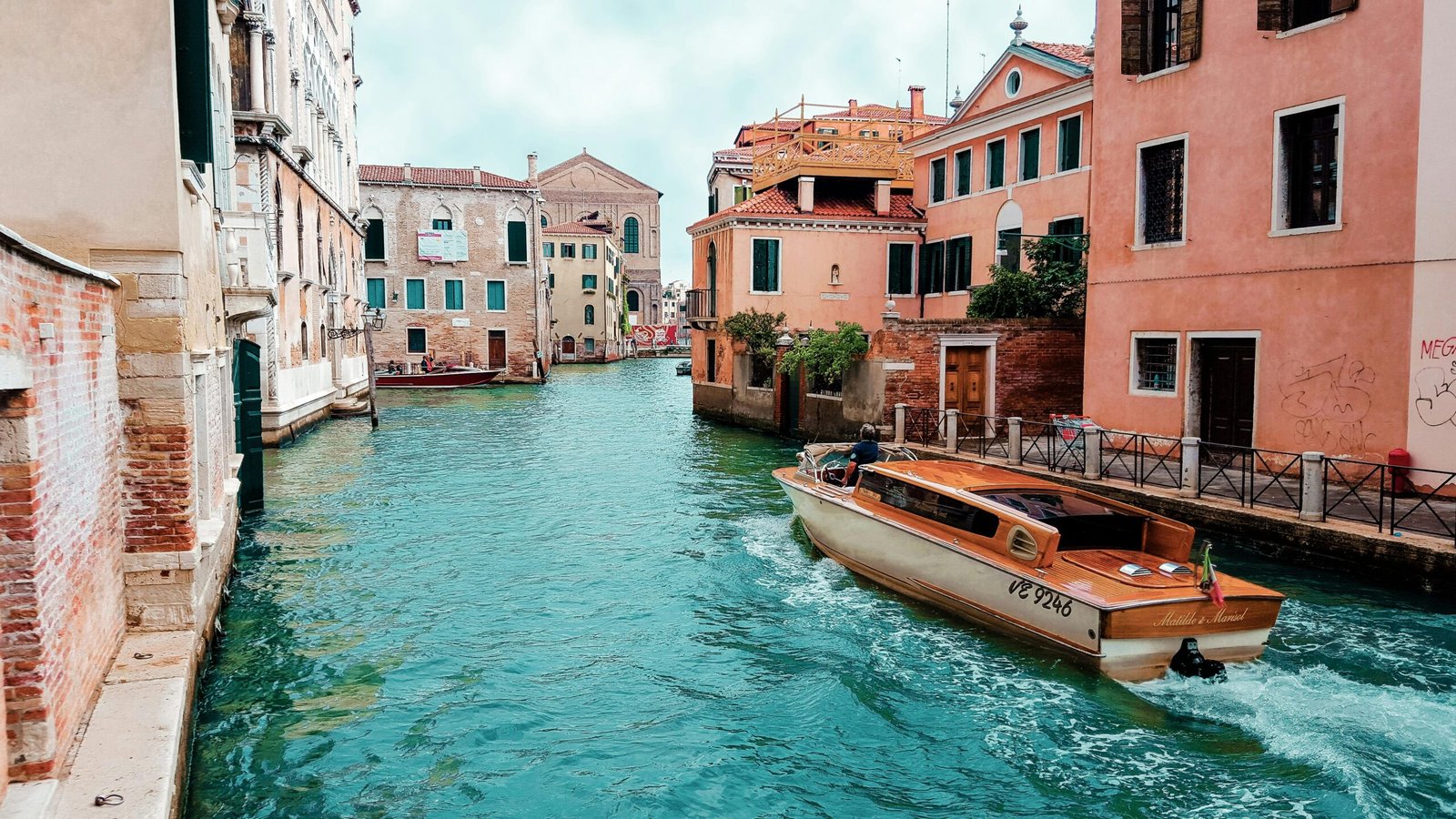
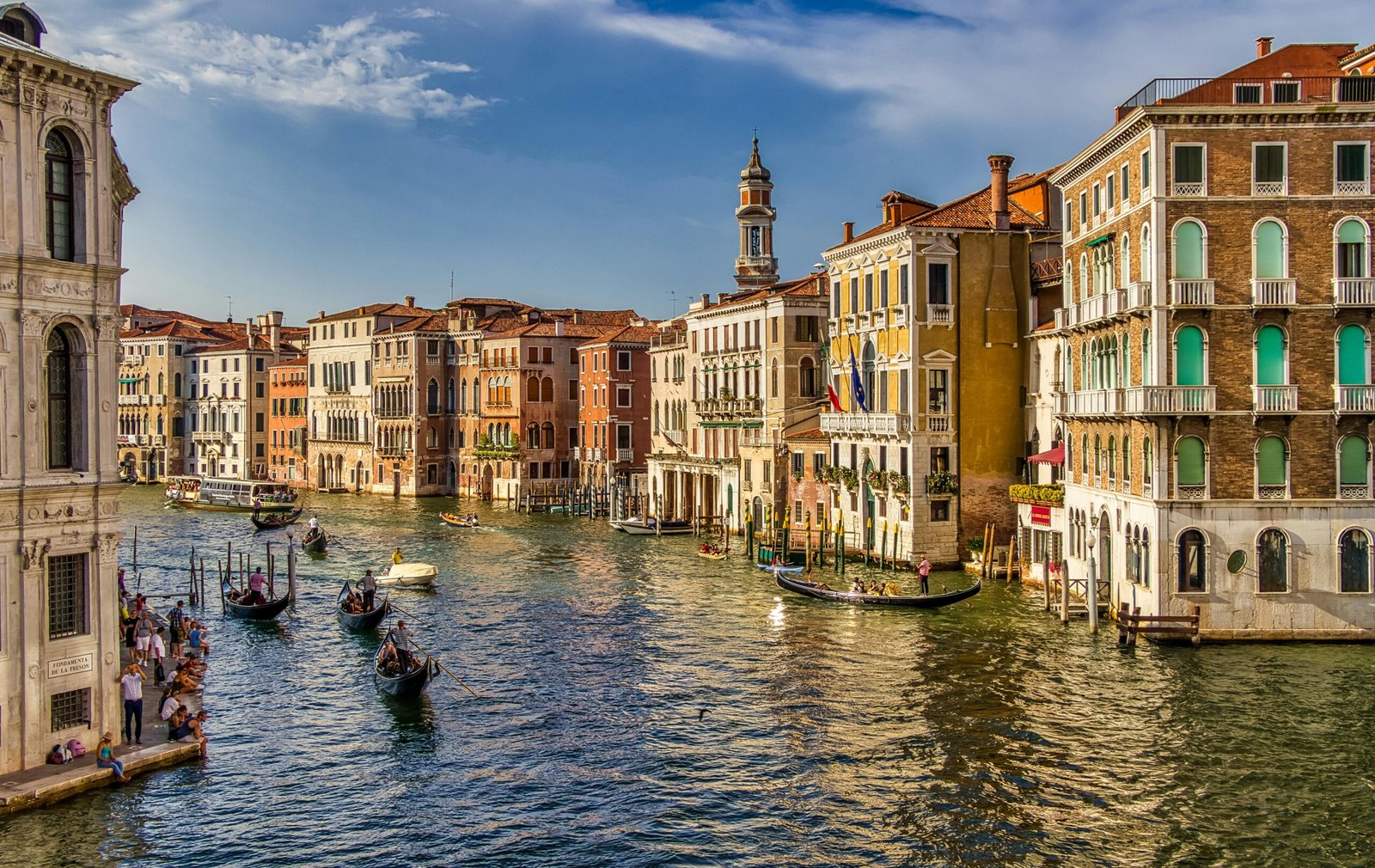
    In 2026, Venice remains the global archetype of romantic travel, holding a dominant position in the “Amore” market where couples account for four out of five (84%) luxury bookings. Despite the city’s complex relationship with overtourism, its romantic appeal has been refined this year through a shift toward “Lingering in Style”—where high-end travelers are extending their stays to over five nights to experience the city’s quieter, more intimate side.


    🇮🇹 1. The 2026 Romantic Experience: “Beyond the Gondola”

    While the iconic gondola ride remains the #1 requested activity, 2026 trends show couples seeking deeper, more “five-star stories” through exclusive and immersive experiences.

    • Sunset Serenades: The classic ride has evolved into bespoke private tours that include live musicians, prosecco tastings, and “app commentary” that shares the hidden love legends of the palaces you pass.
    • The Zattere Sunset: The Fondamenta Zattere in Dorsoduro has become the preferred “anti-crowd” romantic promenade. Couples gather here at twilight to watch the sky turn pink over the Giudecca Canal, far from the frenetic energy of St. Mark’s.
    • Subterranean & Secret Tours: A surge in interest for “hidden” Venice—such as the Scala Contarini del Bovolo (a spiral staircase with a breathtaking view) and private nighttime tours of St. Mark’s Basilica—allows for moments of privacy that were previously difficult to find.

    🛶 2. Managing Romance: The 2026 Access Fee

    For the international romantic, the most significant change in 2026 is the expanded Venice Access Fee (Contributo di Accesso).

    • The “Stay to Save” Strategy: The €5 (or €10 for late bookers) day-tripper fee is applied on 60 designated peak days between April and July 2026.
    • The Romantic Advantage: Most romantic travelers avoid this fee entirely by staying overnight. Overnight guests are exempt from the day-tripper charge (paying only the standard tourist tax through their hotel), which encourages the “Slow Travel” model that Venice is now championing.
    • Key 2026 Fee Dates: The fee is active almost every weekend from early April through mid-July, making advance hotel bookings a mechanical necessity for a seamless romantic getaway.

    📊 Venice Romantic Market Profile (2026)

    Travel MetricRomantic / Luxury SegmentGeneral Day-Tripper Segment
    Average Stay5+ Nights< 1 Day
    Daily Budget€310 – €850+€70 – €100
    Booking Lead Time26 days earlier than averageLast-minute / spontaneous
    Top PriorityAuthenticity & PrivacySightseeing & Photography
    AccommodationHistoric Palazzos / Boutique HotelsMainland (Mestre) or none

    🌸 3. The “Slow Lagoon” Expansion

    To escape the central “convection” of tourists, 2026 romantics are venturing further into the Venetian Lagoon.

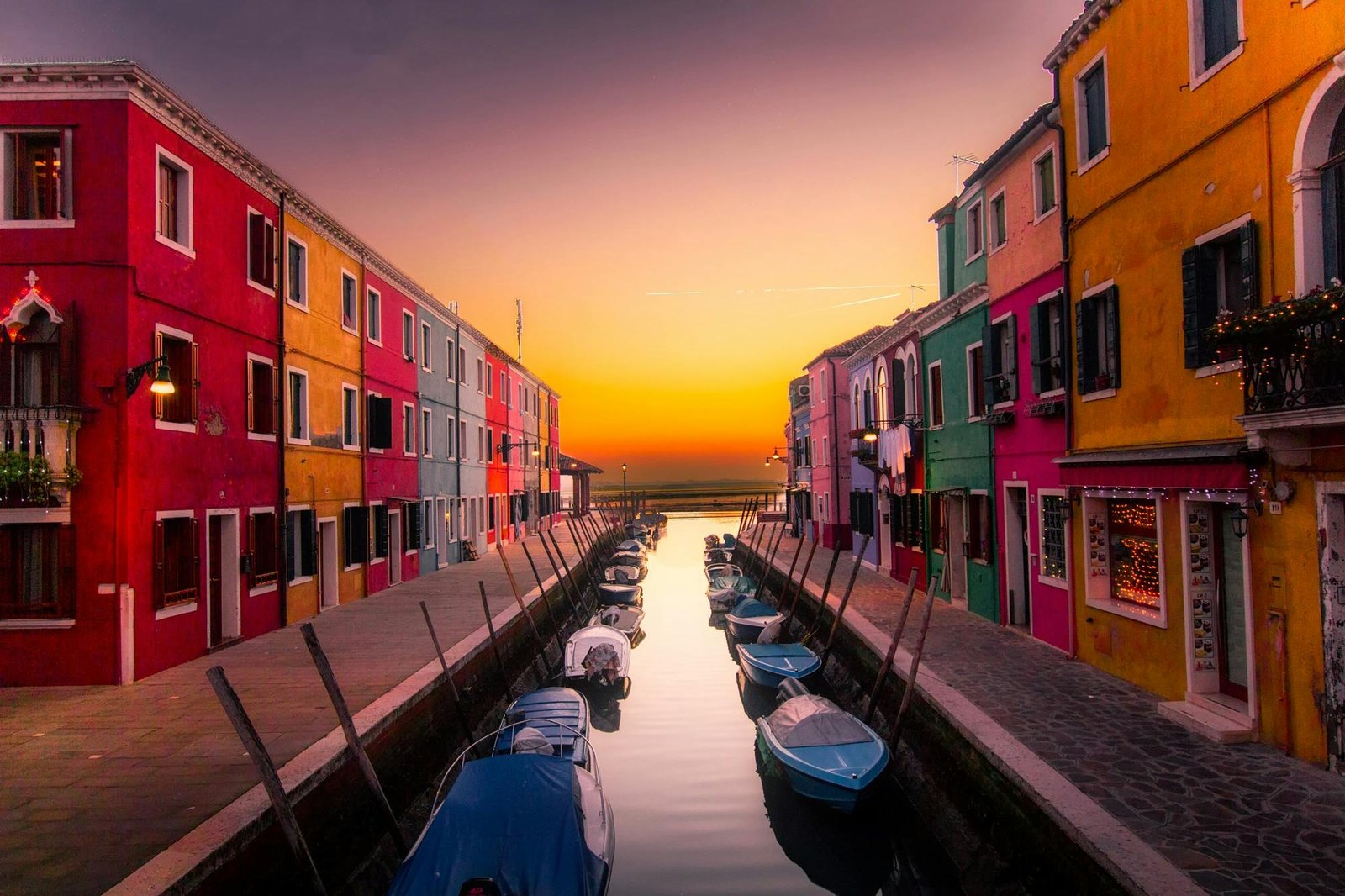
    • Burano & Torcello: These islands are now being marketed as “Venice in Miniature,” offering vibrant colors and ancient history with a fraction of the main island’s density.
    • The Prosecco Hills: A popular 2026 “add-on” for couples is a day trip to the nearby UNESCO-protected Prosecco Hills for private vineyard picnics and tastings, easily accessible by train from Venice in under 90 minutes.
    • “Hushpitality”: There is a growing trend for staycations on private lagoon islands, such as the Isola delle Rose, which hosts luxury spas and wellness retreats that provide a silent sanctuary within sight of the city.

    2026 Romantic Insight: The “new” Venice rewards the patient. By choosing to visit in November (the month of misty, mysterious charm) or by staying in the quieter Cannaregio district, couples are finding that the city’s romantic soul is more accessible now than it was a decade ago.

  • Cultural Tourism: Exploring Art and History in Rome

    Cultural Tourism: Exploring Art and History in Rome

    Gemini said

    In 2026, Rome remains the global epicentre of cultural tourism, but the experience has evolved. The “Eternal City” is currently navigating a landmark year, driven by the 2025-2026 Holy Year (Jubilee) and a massive digital transformation of its archaeological sites.

    For the cultural traveller, Rome in 2026 is no longer just about viewing ancient ruins; it is about immersive, multi-layered history powered by “Extended Reality” and a new focus on the city’s hidden, subterranean layers.


    🏛️ 1. The Archaeological Heart: Colosseum and Forum

    The central archaeological park has undergone a significant “Open Access” overhaul for 2026.

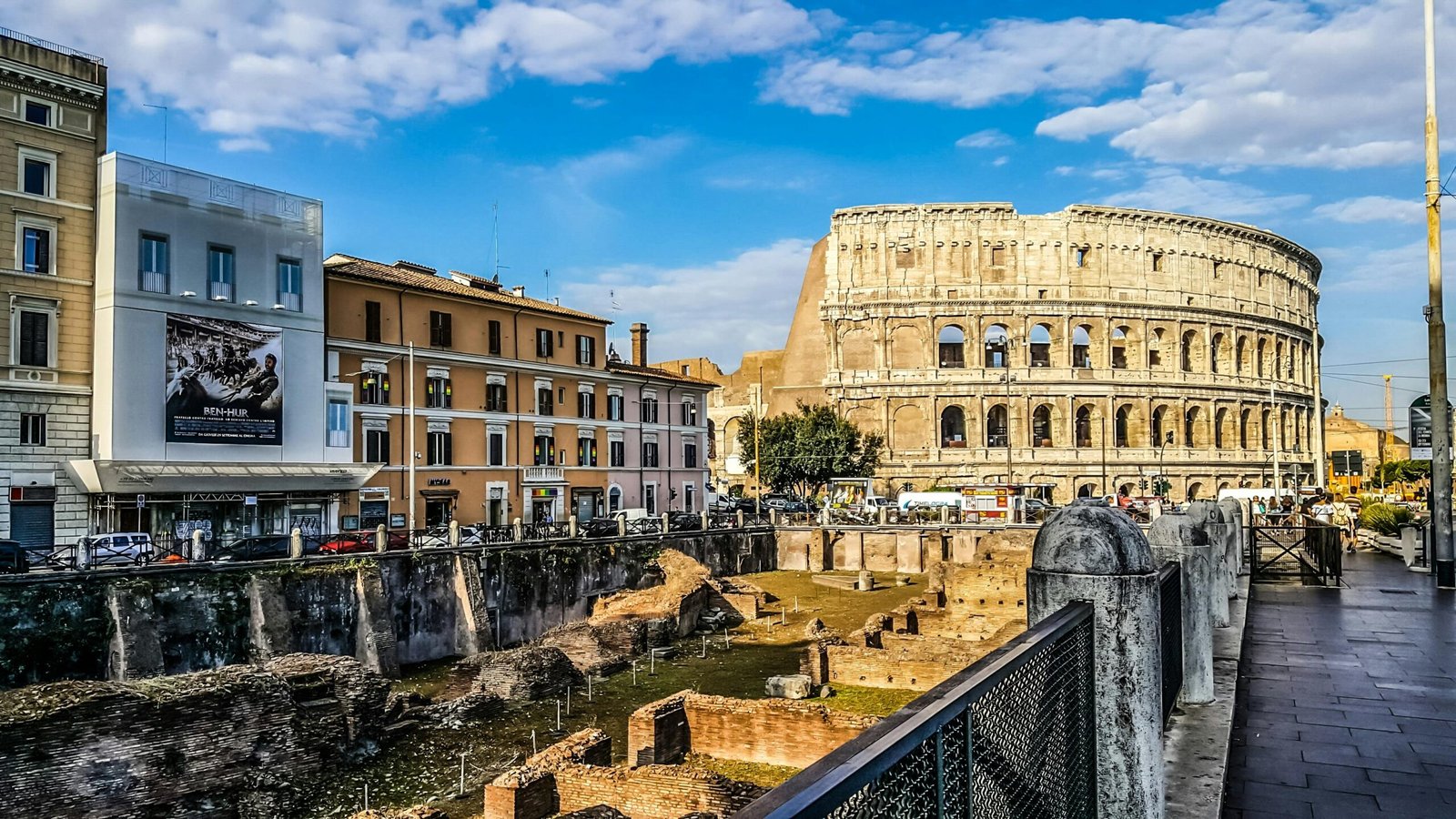
    • The Colosseum Arena Floor: The new, retractable high-tech floor is fully operational, allowing visitors to stand where gladiators once stood and view the complex hypogeum (underground chambers) below.
    • Augmented Reality (AR) Windows: Throughout the Roman Forum, “Time-Travel Portals”—AR stations—allow tourists to hold their devices up to ruins and see the temples and basilicas reconstructed in 3D over the current remains.
    • The Imperial Fora at Night: Rome’s “Noctourism” strategy has expanded, with the Fora of Augustus and Caesar hosting nightly light-and-sound shows that project the history of the Empire directly onto the marble.

    🎨 2. The Vatican and Renaissance Splendor

    With the 2026 Jubilee celebrations in full swing, the Vatican has implemented world-class crowd management and digital preservation.

    • Virtual Sistine Access: To protect the frescoes from humidity, the Vatican has launched high-fidelity VR tours for those who prefer to skip the physical queues, offering a “closer-than-possible” look at Michelangelo’s ceiling.
    • The Necropolis of St. Peter’s: Access to the Scavi (the pre-Constantinian cemetery beneath the Basilica) has been expanded with new LED lighting that prevents organic growth while illuminating the ancient mausoleums.
    • Raphael Rooms Digitization: New “Interactive Frescoes” in the Stanze di Raffaello use non-invasive projections to explain the complex political and philosophical allegories within the paintings.

    🕯️ 3. Subterranean Rome: The “Hidden City”

    One of the biggest cultural trends in 2026 is “Vertical Exploration”—moving beneath the street level to discover layers of history.

    • The Vicus Caprarius: Located near the Trevi Fountain, this “City of Water” is a premier example of a Roman insula (apartment complex) preserved beneath modern buildings.
    • San Clemente Basilica: A perfect “history sandwich,” where visitors start in a 12th-century church, descend to a 4th-century basilica, and finally reach a 1st-century Roman house and Mithraic temple.
    • The Appian Way Catacombs: In 2026, the Regina Viarum (Queen of Roads) is undergoing a push for UNESCO World Heritage status, with newly opened sections of the Catacombs of St. Callixtus and St. Sebastian featuring restored 3rd-century frescoes.

    📊 2026 Cultural Tourism Snapshot: Rome

    Feature2026 ExperienceCultural Impact
    Crowd ManagementAI-driven “Timed Entry” for all sites.Reduced wait times; better preservation.
    TechnologyXR (Extended Reality) guides.Reconstructs “lost” history in real-time.
    SustainabilityPedestrianization of the Via dei Fori Imperiali.Reduced pollution impact on marble.
    Hidden GemsFocus on “Rione” (Neighborhood) history.Distributes tourists to Trastevere and Testaccio.

    🛡️ 4. Managing the “Jubilee” Crowds

    The 2026 Jubilee (themed “Pilgrims of Hope”) means Rome is hosting millions of additional cultural and religious visitors.

    • The Jubilee App: A centralized platform that provides real-time “congestion maps,” suggesting alternative museums (like the Centrale Montemartini) when the Vatican or Pantheon are at capacity.
    • Decorum & Preservation: Stricter enforcement of rules around monuments—such as “no sitting” on the Spanish Steps—ensures that the sheer volume of visitors doesn’t lead to physical degradation of the city’s art.

    2026 Cultural Insight: The modern Roman traveller is moving toward “Slow Culture.” Instead of checking off all ten “must-sees” in 48 hours, the trend is to spend three days in a single Rione (district), learning its specific history, from its Roman roots to its Renaissance workshops.