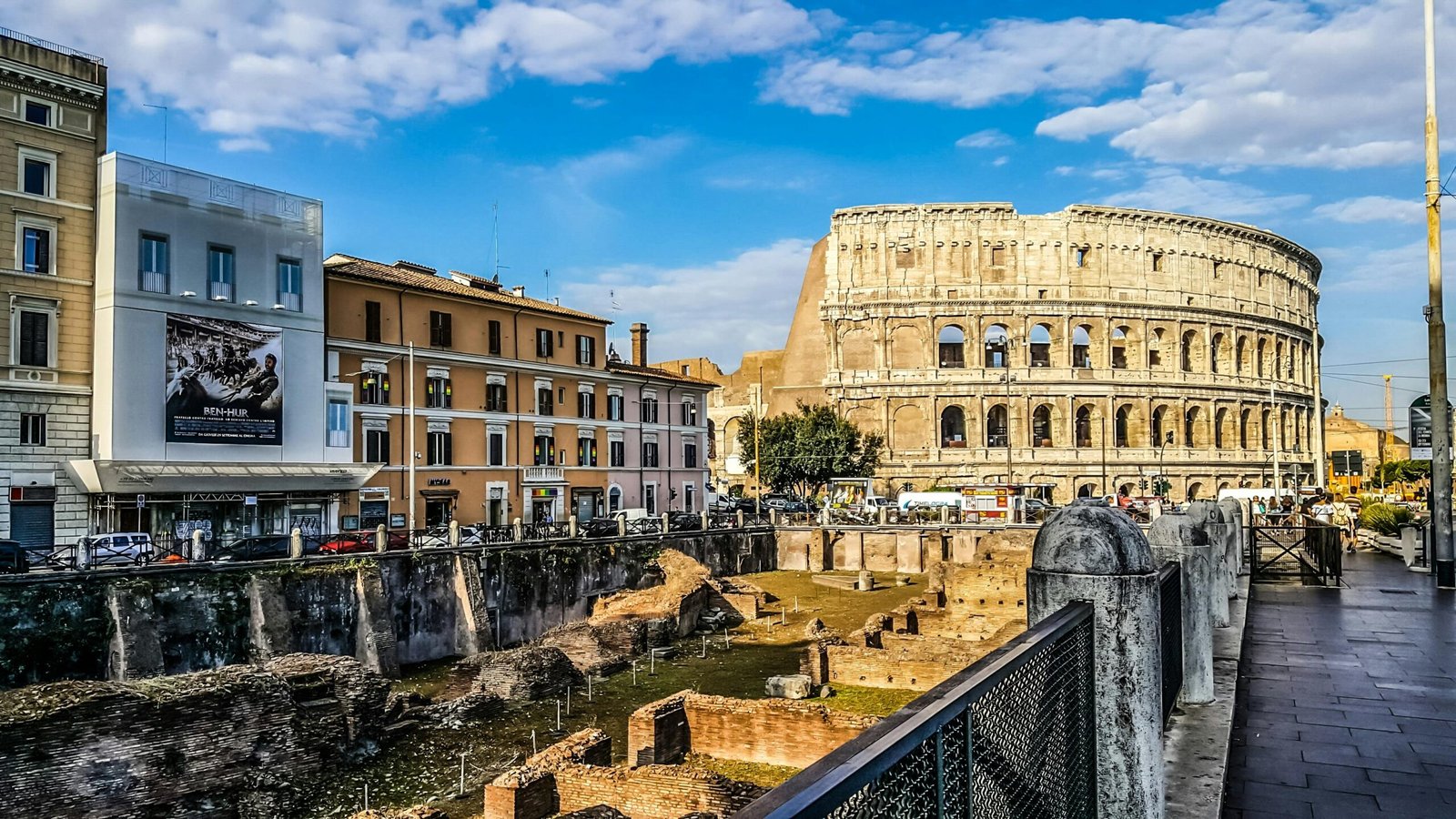
In 2026, museums and art galleries are the primary reason for international travel to Italy, with cultural tourism accounting for over 55% of all visitor arrivals. Italy’s 4,000+ museums are no longer just repositories of the past; they have become dynamic “impact enterprises” that blend historical preservation with digital innovation to drive the national economy.
As of March 2026, the sector is experiencing a surge in demand, fueled by the 2026 Winter Olympics cultural program and the ongoing Franciscan Jubilee.
🏛️ 1. The Economic Engine of Culture
In 2026, the Italian art tourism market is projected to generate over $1.1 billion in revenue, growing at a steady rate as museums shift from traditional subsidies to self-sustaining business models.
- GDP Impact: The cultural industry contributes approximately 2.3% directly to Italy’s GDP, but its “induced” revenue—spending on hotels, restaurants, and transport by museum-goers—is estimated to be five times higher.
- The “Multiplier Effect”: Major exhibitions, like the 2025 Caravaggio show or the 2026 Bernini exhibition in Rome, are proven to generate up to €30 million each in local economic activity.
- Funding Revolution: Under the new “Cultural Capital Financing” framework, museums are increasingly using hybrid models that combine public funds with private impact investments to finance high-tech restorations and digital expansions.
🎨 2. 2026 “Must-See” Exhibitions & Trends
This year, the Italian museum landscape is defined by “Dialogue Exhibitions”—placing contemporary or international art in direct conversation with Renaissance masterpieces.
- Rothko in Florence (Palazzo Strozzi): Running from March to August 2026, this landmark show places Mark Rothko’s abstract works inside the Renaissance architecture of Palazzo Strozzi and the San Marco Museum.
- Bernini and the Barberini (Rome): Following the massive success of 2025’s events, Palazzo Barberini is hosting a definitive look at how Bernini shaped the Baroque identity of Rome.
- The 61st Venice Biennale: Opening in May 2026 with the theme “In Minor Keys,” the Biennale is expected to draw record crowds, focusing on contemporary voices from the Global South and “soft power” in art.
- Metaphysical Milan: A city-wide project for the 2026 Olympics, linking the Museo del Novecento and Palazzo Citterio in a celebration of De Chirico and the “heirs” of metaphysical art.
📱 3. The Digital Transformation (2022–2026)
March 2026 marks the final phase of Italy’s €500 million National Plan for Digitalisation, which has fundamentally changed the visitor experience.
- 65 Million Digital Assets: Italy has successfully digitized over 65 million artworks, documents, and artifacts, making them accessible through the new National Digital Library.
- AI-Driven Flow Management: Major sites like the Vatican Museums and the Uffizi now use “Smart Security” platforms. These systems use AI and IoT sensors to monitor visitor density in real-time, automatically adjusting “timed entry” slots to prevent overcrowding and protect delicate frescoes.
- Extended Reality (XR): Museums are moving toward “interactive storytelling.” The Leonardo Interactive Museum in Florence, for example, has become the most-reviewed museum of 2026 by using AR to allow visitors to “activate” Leonardo’s invention models.
📊 Italy’s Top Cultural Hubs: 2026 Performance
| City | Museum Role | 2026 Sentiment Score | Key 2026 Attraction |
| Florence | “The Museum Capital” | 92/100 | Uffizi Gallery & Accademia (The David). |
| Rome | “The Archeological Hub” | 89/100 | Colosseum, Vatican, & Palazzo Barberini. |
| Milan | “Contemporary Icon” | 87/100 | Fondazione Prada & HangarBicocca. |
| Venice | “The Global Stage” | 90/100 | 61st Biennale & Peggy Guggenheim Collection. |
🛡️ 4. Managing Success: The 2026 Challenge
While the growth is positive, 2026 faces the challenge of “Cultural Saturation.”
- The “South” Strategy: To relieve pressure on Rome and Florence, the Ministry of Culture is aggressively promoting “Secondary Hubs” like Bergamo (Accademia Carrara) and Perugia (National Gallery of Umbria), which are hosting major 2026 shows on Tarot history and Giotto, respectively.
Leave a Reply